
Does Stress Affect Fertility? What the Research Says and How Acupuncture Can Help
One of the most useful studies in this area was published in Human Reproduction in 2014. Researchers followed couples who were trying to conceive and measured two biological markers of stress in the women: cortisol and salivary alpha-amylase.
Women whose alpha-amylase levels were in the highest third had a 29% reduction in fecundability — essentially a lower probability of conceiving in a given cycle — compared with women in the lowest third. They also had more than twice the risk of meeting the clinical definition of infertility.
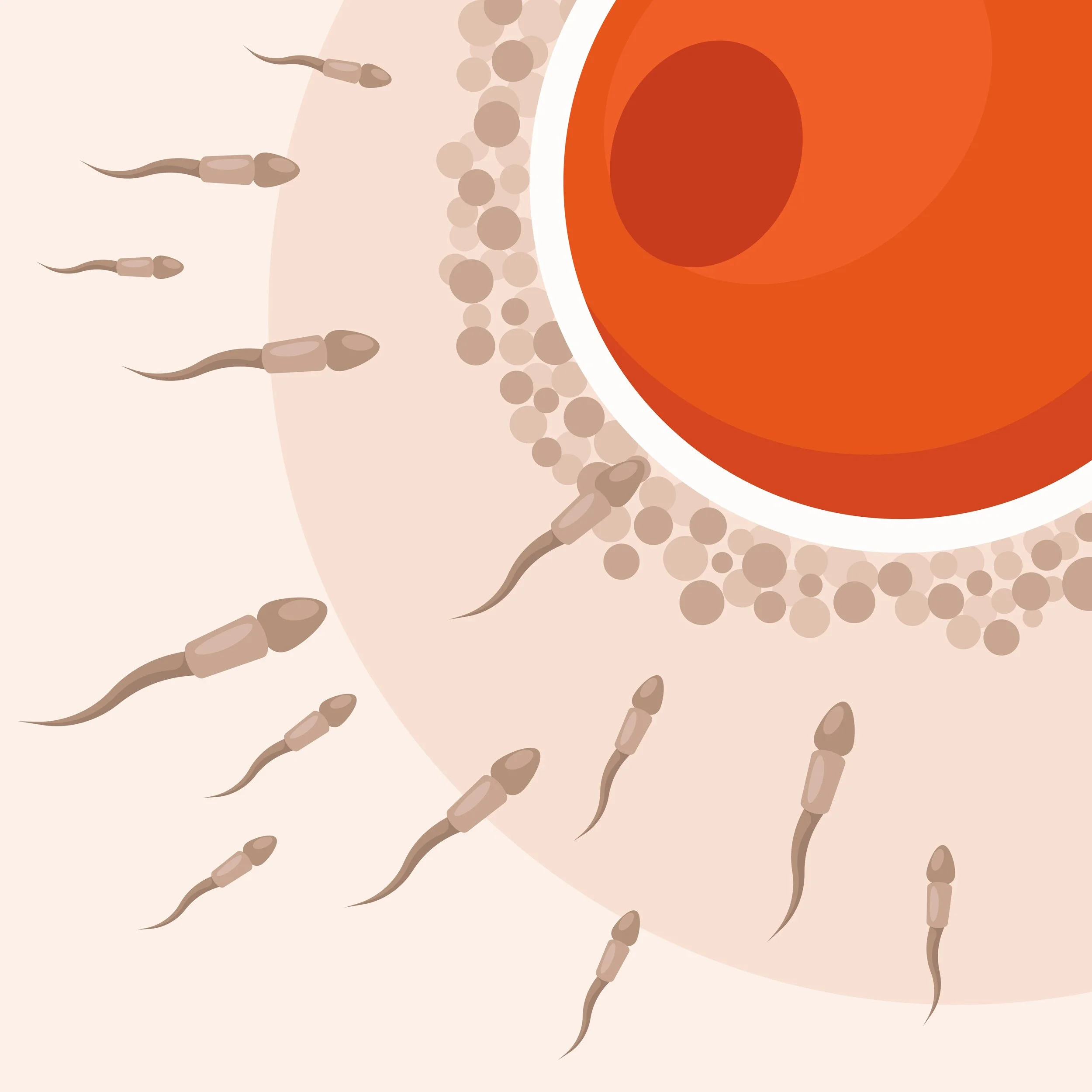
The Hidden Half of Fertility: Why Sperm Health Matters
Male fertility has been described as declining by around 1% a year between 1960 and 2015 — roughly a 50% fall across that 55-year period. That is staggering. It should also change the way we talk about fertility.
Yet when a couple struggles to conceive, the investigation still too often turns first towards the woman: her age, her hormones, her cycle, her scans, her egg quality, her supplements, her stress, her body. The man may be asked for a semen sample, told it is “normal” or “a bit low” and then the focus quietly returns to her.

Acupuncture for Breech Baby: How Moxibustion Can Help
Acupuncture is commonly used to support breech presentation in the final weeks of pregnancy, and one of the most well-known techniques is moxibustion. This article explains how moxibustion is used within acupuncture care to support babies turning head-down, when it’s usually recommended, and how it can be done safely alongside standard maternity care.