
The Hidden Half of Fertility: Why Sperm Health Matters
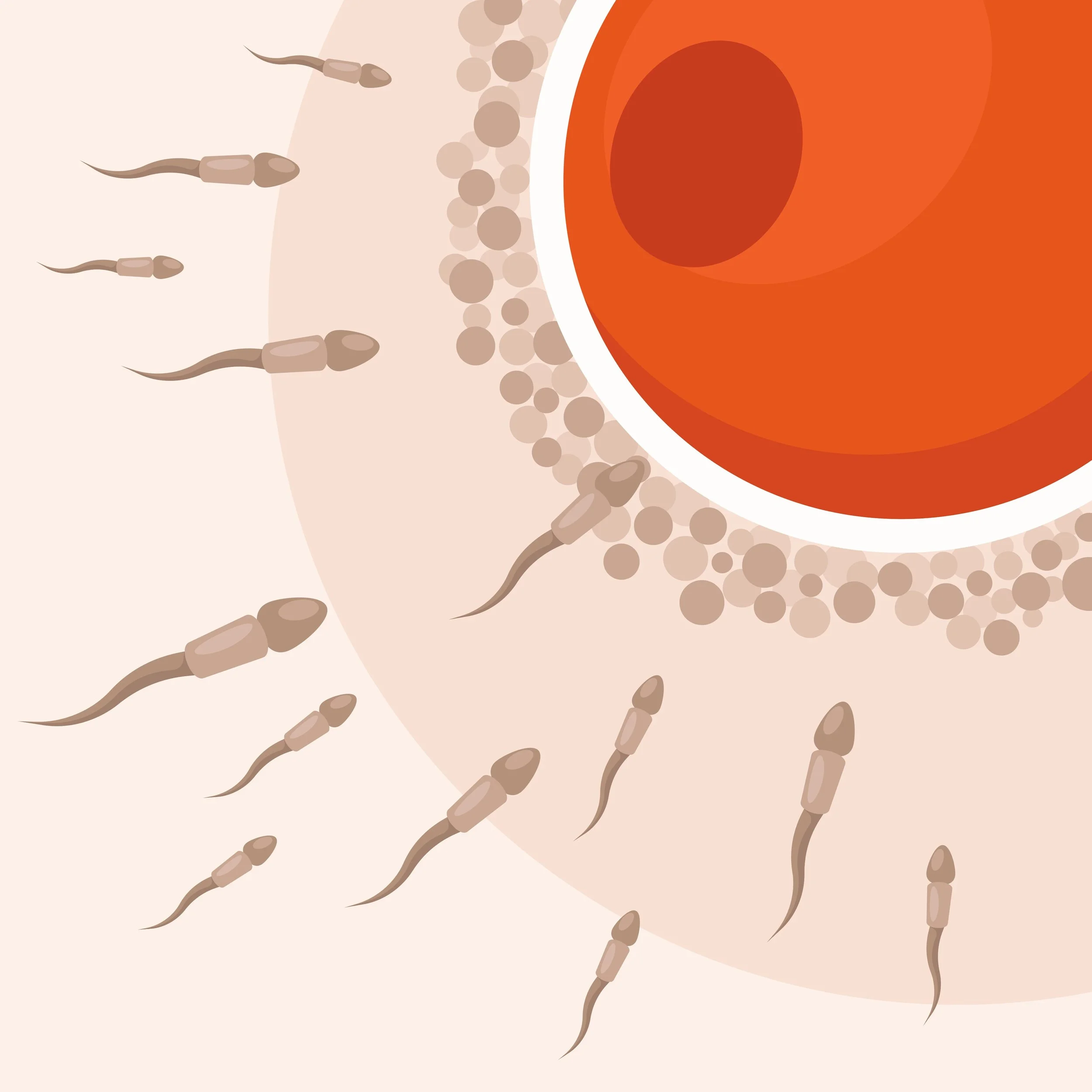
Male fertility has been described as declining by around 1% a year between 1960 and 2015 — roughly a 50% fall across that 55-year period. That is staggering. It should also change the way we talk about fertility.
Yet when a couple struggles to conceive, the investigation still too often turns first towards the woman: her age, her hormones, her cycle, her scans, her egg quality, her supplements, her stress, her body. The man may be asked for a semen sample, told it is “normal” or “a bit low” and then the focus quietly returns to her. That is not enough.
Why Sperm Health Matters — and Where Acupuncture Fits In
If you are trying to start a family, or add to your family later in life, sperm health needs proper attention. Not because men need to be blamed, but because sperm quality matters at every stage: fertilisation, embryo development, implantation, miscarriage risk and the possibility of an ongoing healthy pregnancy.
This is also where acupuncture belongs in the conversation. Male fertility acupuncture is not a last-minute add-on after everything else has failed. It is a practical way to support the man producing the sperm, while also helping him make the lifestyle changes that can improve the internal environment in which sperm are made.
The aim is not to create “acceptable” pregnancies from “good enough” sperm. The aim is to support the healthiest sperm, the healthiest pregnancy and the healthiest baby possible.
We are here to help, not judge. But we cannot help if we do not know what is going on.

The numbers are uncomfortable
The decline in male fertility is not just a vague modern worry. Some of the figures are stark.
Sperm count has been reported to have dropped by 45% between 1940 and 1990, from 113 million/ml to 66 million/ml. Over that same period, men with extremely low sperm counts tripled from 6% to 18%.
That matters because this is not only about individual couples. It is part of a much bigger male reproductive health picture.
At the same time, fertility treatment has become increasingly sophisticated, but not always better at asking why male fertility is poor in the first place. Too often, IVF or ICSI becomes the answer before the male side has been fully understood, supported or improved.
That is a missed opportunity.
Normal does not mean optimal
This is one of the most important things I explain in clinic.
A semen analysis being described as “normal” does not necessarily mean sperm quality is strong or ideal. It means the result sits within the current reference range. But those reference ranges have changed.
The World Health Organization semen-analysis thresholds shifted significantly between 1992, 1999 and 2010. Progressive motility was previously expected to be above 50%; by 2010, the reference figure was 32%. Morphology is even more striking. In 1992, the morphology threshold was above 30%. By 1999 it was 15%. By 2010 it was 4%.
That is a huge change in the goalposts.
Morphology means the percentage of sperm that are normally shaped. If morphology is 2%, that means 98% of the sperm are abnormally formed. That is not a tiny detail, especially if you are trying naturally, have had miscarriages, have had poor embryo development or have been advised to consider ICSI.
A sperm needs a properly formed head, midpiece and tail. The tail needs to move. The midpiece provides energy. The head contains the acrosome, a cap-like structure with enzymes that help the sperm penetrate the outer layer of the egg. This is one reason good-quality fats, including omega-3, matter: sperm structure is built from the raw materials available to the body.
And morphology only tells us what the sperm look like on the outside. It does not tell us whether the DNA inside is healthy.
That is why DNA fragmentation testing can be important, especially after recurrent miscarriage, failed IVF, poor fertilisation, poor embryo development or low morphology. Poor sperm DNA is associated with impaired fertilisation, slower early embryo development, reduced implantation, increased miscarriage, recurrent pregnancy loss and failed IVF.
Sperm do not stop mattering once they reach the egg.

The ICSI question
ICSI can be an extraordinary technique. It has helped many couples have babies, and for some it is absolutely the right route.
But it should not become an excuse to ignore sperm health.
ICSI is often used when there is male-factor infertility. A single sperm is selected and injected directly into the egg. The problem is that the woman is the one who goes through the invasive part: the drugs, scans, hormonal stimulation, egg collection and embryo transfer.
If poor sperm is one of the reasons ICSI has been recommended, then it is reasonable to ask: has the sperm been properly investigated and has the man done what he can to improve it first?
That is not blame. That is preparation.
Before ICSI, it makes sense to look at count, motility, morphology, DNA fragmentation, varicocele, infection, inflammation, alcohol, heat, diet, smoking, vaping, cannabis, stress, sleep, cycling, medication and environmental exposures.
Even if ICSI remains the right route, the quality of the sperm going into that process still matters.
“He has children already” does not answer the question
This comes up often, especially with men in second relationships or couples trying later in life. A man may have fathered children before and assume that proves his fertility is fine. It does not. It proves his fertility was good enough then. It does not tell us what is happening now.
Testosterone tends to decline after 30, often estimated at around 1% per year. Testosterone is not only about libido. It is involved in sperm maturation, sexual desire, erections, energy, motivation and wider male health. It is usually highest in the morning, which is why morning testing is often recommended.
The older celebrity father myth has not helped. Every time a famous man in his 60s or 70s has a baby, it reinforces the idea that male fertility carries on indefinitely and that age only matters for women. Mick Jagger becoming a father again at 73 is one of those examples, although of course we rarely know what support may have happened in the background.
But one celebrity baby does not cancel out biology.
Men can continue producing sperm for longer than women produce eggs, but sperm quality still declines. For older men trying to start or complete a family, the question is not whether it worked before. The real question is whether the sperm are good enough now.
Older men often need to work harder at the foundations.

Heat: the easy fix men often resist
Temperature is not a side issue in male fertility.
The scrotum is designed to sit around 1–8°C below core body temperature because sperm production needs a cooler environment. Sertoli cells, which support developing sperm, can start to malfunction within 24 hours of a significant temperature rise.
That makes heat a serious fertility factor.
Regular saunas, hot baths, laptops on laps, phones in trouser pockets, tight underwear, prolonged sitting and long cycling sessions can all work against sperm production. Heat can affect sperm production and morphology, including the formation of the sperm head, midpiece and tail.
Cycling can be an issue not only because of heat, but also because of pressure and repeated impact around the genitals. Cycling for more than 90 minutes a week has been associated with lower sperm concentration and competitive cyclists have been reported to have less than half normal morphology.
This does not mean every man must stop cycling. But saddle type, position, duration, pressure and heat all need looking at.
And wrapping an ice-cold towel around the scrotum while sitting in a sauna is not a fertility strategy. The issue is not whether you can briefly cool the area after overheating it. The issue is repeated heat stress in the first place. If you are trying to improve sperm production, stop working against the environment sperm need.
Sperm take around three months to make
Sperm production takes roughly three months. That is good news, because it means sperm health can change. It also means last-minute gestures do not cut it.
Stopping alcohol the night before a semen sample is not a plan. Taking supplements for two weeks is not a plan. Carrying on with saunas, poor sleep, high caffeine, ultra-processed food and stress while hoping for a transformed semen result is not a plan.
A proper male fertility plan needs at least three months. This is where acupuncture fits well. Men can be treated on any day of the month, so we do not need to work around the changing phases of a menstrual cycle. Treatment can be steady, cumulative and focused on the internal conditions in which sperm are being made.
In clinic, male fertility acupuncture is not just about sperm count. It is about circulation, stress regulation, sleep, digestion, inflammation, heat, recovery, hormones, energy, libido and ejaculation. In Chinese medicine terms, we are also looking at Kidney energy, Jing, Qi, blood, heat and stagnation.
We are treating the man producing the sperm, not just the number on the test.
What should be checked?
A basic semen analysis is useful, but it is not always enough. Men and couples need to understand what the numbers actually mean.
Count tells us how many sperm are present. Motility tells us how well they move. Morphology tells us how well they are formed. Volume, viscosity, liquefaction and pH also matter because semen is not just transport fluid; it nourishes, protects and releases sperm.
DNA fragmentation may be important if there has been miscarriage, failed IVF, poor fertilisation, poor embryo development or low morphology.
Varicocele should also be considered. A varicocele is an abnormal dilation of veins in the scrotum, a bit like varicose veins. It is found in around one sixth of men referred for infertility, can increase scrotal temperature and can increase DNA fragmentation. If it is treatable, it can be an important opportunity, so stubborn or poor semen results should prompt proper assessment by an andrologist or urologist.
Infection and inflammation matter too. Prostatitis, genital infections, raised white blood cells in semen, antisperm antibodies, previous surgery, trauma, vasectomy reversal and testicular pain can all affect sperm production and function.
If there is antisperm antibody activity, sperm may clump together, struggle to move through the female reproductive tract, or be unable to bind properly to the zona pellucida of the egg.
That is why “he had a semen test and it was fine” is not always enough information.

Food, alcohol, sleep and stress are not minor details
Sperm are made from everyday life.
Food quality matters. A healthier diet can improve motility quickly, while fresh food, protein, fish and vegetables support morphology. High-salt, high-fat, high-sugar ready meals do the opposite, depleting count, concentration and morphology.
Ultra-processed foods are particularly relevant because they can affect reproductive hormones, including FSH and testosterone, contribute to nutritional deficiencies and increase body fat.
Vitamin D matters for spermatogenesis, motility, maturation and testosterone levels. CoQ10 supports mitochondrial function and protects sperm from free radical damage. Zinc, selenium, vitamin C, vitamin E, NAC, omega-3, L-arginine and L-carnitine are all commonly considered in male fertility support, although quality and dose matter.
Alcohol above modest levels can reduce testosterone, affect spermatogenesis, contribute to erectile dysfunction and reduce fertilisation rates. Smoking and vaping increase oxidative stress, reduce count, motility and morphology and increase DNA fragmentation. Cannabis is associated with more damaged sperm, lower sperm count and reduced semen volume.
Sleep matters because oxidative stress damages sperm and poor sleep disrupts hormones, immunity and recovery. Stress and overwork reduce testosterone and sperm quality. High caffeine intake can increase DNA fragmentation, increase oxidative stress and alter Sertoli cell structure.
Medication matters too. Opioids, anabolic steroids, testosterone supplementation, SSRIs and common painkillers such as paracetamol may all be relevant to sperm quality or sexual function.
This is not about making life joyless. It is about understanding that sperm are being made from the conditions a man lives in every day.
What does acupuncture actually look like for men?
A quiet but very real fear some men carry is: “Are you going to put needles in my testicles?”
The answer is no. Needles are never placed in the penis or testicles.
In a male fertility session, needles are usually placed in the lower legs, ankles, feet, arms, hands, abdomen and sometimes the lower back. Occasionally points around the hips or sacrum are used to support circulation in the pelvic area, but nothing goes into the scrotum or penis. You stay covered and your comfort and dignity are prioritised at every stage.
From your side of the couch, treatment feels like a focused, deeply relaxing session where your body is finally given a chance to stop and catch up. Many men are surprised by how much calmer, clearer and more grounded they feel afterwards — and how much that helps them show up better in the rest of the fertility journey.
When you come in, I do not just look at you and guess. I start with your semen analysis. We go through the results together so you actually understand what they mean: count, motility, morphology, volume, possible signs of infection or inflammation and whether further testing such as DNA fragmentation may be worth considering.
From there, we build a plan. That usually includes weekly acupuncture, realistic lifestyle recommendations around heat, alcohol, smoking or vaping, cannabis, exercise, diet, sleep and environmental exposure and regular reviews so you can see what is changing over time.
You do not have to be perfect. You do need to be willing, curious and engaged. That is enough to begin.

The environmental soup
Modern fertility is happening in a very different environmental soup from previous generations.
Plastics, pesticides, herbicides, phthalates, BPA, receipts, synthetic fragrances, ultra-processed foods, polluted water, personal care products, cleaning products and food packaging all add to chemical exposure. Many of these substances are endocrine disruptors, meaning they can interfere with hormone signalling.
This matters because sperm production is hormone-led. GnRH, FSH, LH, testosterone, thyroid function and the communication between the brain and reproductive organs all matter.
Pesticides and herbicides can bind to hormone receptors, inhibit hormone production or action, and disrupt thyroid function. Higher pesticide exposure has been associated with lower sperm concentration and count. Pesticides may affect GnRH, testosterone, thyroid function, the testes, sperm motility, viability and acrosome function.
Practical changes are worth making: use glass instead of plastic where possible, do not heat food in plastic, filter water, reduce ultra-processed foods, wash fruit and vegetables well, choose organic where it matters most, avoid unnecessary synthetic fragrance, review cleaning products and avoid handling thermal receipts when possible.
Small changes, done consistently over three months, are more useful than frantic perfection for two weeks.
COVID, fever and modern fertility history
Fever has always mattered in male fertility because sperm production is heat-sensitive. A high fever can affect semen parameters for weeks or months afterwards.
In current practice, COVID, significant inflammatory episodes and the timing of vaccination are also part of the modern fertility history. If semen quality, libido, erections, energy, inflammation, circulation or general health changed after a major illness or immune event, it belongs in the conversation.
The point is not to reduce every case to one cause. The point is to take a proper history.

Keep the man in the room
Male fertility should not be investigated only after the woman has already been through months or years of testing, treatment, miscarriage, failed cycles and disappointment.
If a couple is trying to conceive, the male partner should be part of the fertility work from the beginning. That means proper semen analysis, proper interpretation, consideration of DNA fragmentation where appropriate, medical referral if varicocele or infection is suspected and a serious look at lifestyle, heat, alcohol, stress, sleep, nutrition, exercise, medication and environmental exposure.
It also means acupuncture should not be reserved for the woman alone.
There is also a strong argument for keeping the man involved beyond conception, especially through the first trimester. His appointments may reduce from weekly to fortnightly, but there is value in keeping the groundwork in place.
First, sperm take around three months to be produced and mature. If there is a miscarriage, you do not want to be starting from scratch again with male fertility support at that point.
Second, continuing together is a real way of supporting your partner. Fertility and early pregnancy can feel incredibly exposing for women. When a man chooses to come in, have treatment, make the changes and stay engaged, he is not just “fixing his sperm”. He is standing shoulder to shoulder with her in a practical, embodied way.
And clinically, it makes sense. If the aim is not just conception but a healthy, ongoing pregnancy and a healthy baby, then supporting both people through those early weeks is entirely reasonable.
Come in before it feels desperate
The egg matters. The sperm matters. The health of both people matters.
Whether your semen analysis looks “normal” or shows an obvious issue, there is almost always something we can do to support you. “Normal” on a lab print-out is not the same as optimal for creating a healthy pregnancy and a healthy baby.
Women routinely come in to optimise their eggs. It makes just as much sense for men to optimise their sperm.
At my Camberwell clinic, male fertility acupuncture is used alongside practical lifestyle guidance to improve the internal conditions in which sperm are made. The aim is to support sperm quality, improve the wider health picture and give the couple the best possible chance, whether they are trying naturally or preparing for assisted conception.
If you are at the beginning of your fertility journey, this is the ideal time for both of you to start. If you are already some way down the road, it is still not too late to bring the male half of the picture into focus and work with it properly for at least one full sperm-production cycle.
You do not have to wait until everything feels desperate.
Come in and see me. We can look at your semen analysis together, make sense of what is happening and put a plan in place to support your sperm, your health and your future family.
Sources:
Levine H, Jørgensen N, Martino-Andrade A, et al. Temporal trends in sperm count: a systematic review and meta-regression analysis of samples collected globally in the 20th and 21st centuries. Human Reproduction Update. 2023;29(2):157–176. https://pubmed.ncbi.nlm.nih.gov/36377604/pubmed.ncbi.nlm.nih
Capogrosso P, Ventimiglia E, Boeri L, et al. Male infertility as a proxy of the overall male health status. Minerva Urology and Nephrology. 2018;70(3):286–299. https://pubmed.ncbi.nlm.nih.gov/29595040/pubmed.ncbi.nlm.nih
World Health Organization. WHO Laboratory Manual for the Examination and Processing of Human Semen. 4th ed. Geneva: WHO; 1999.
World Health Organization. WHO Laboratory Manual for the Examination and Processing of Human Semen. 5th ed. Geneva: WHO; 2010.
Robinson L, Gallos ID, Conner SJ, et al. The effect of sperm DNA fragmentation on miscarriage rates: a systematic review and meta-analysis. Human Reproduction. 2012;27(10):2908–2917. https://pubmed.ncbi.nlm.nih.gov/22791753/pubmed.ncbi.nlm.nih
McQueen DB, Zhang J, Robins JC. Sperm DNA fragmentation and recurrent pregnancy loss: a systematic review and meta-analysis. Fertility and Sterility. 2019. https://www.sciencedirect.com/science/article/pii/S0015028219302468sciencedirect
Delbes G, et al. Endocrine-disrupting chemicals and male reproductive health. Fertility and Sterility. 2023;120(6):1138–1149. https://pubmed.ncbi.nlm.nih.gov/37827483/pubmed.ncbi.nlm.nih
Krivosikova Z, et al. The Impact of Endocrine-Disrupting Chemicals in Male Fertility. International Journal of Molecular Sciences. 2021;22(23):13141. https://pmc.ncbi.nlm.nih.gov/articles/PMC8709303/pmc.ncbi.nlm.nih
Francini F, et al. Male Infertility and Reduced Life Expectancy: Epidemiology, Mechanisms, and Clinical Implications. Journal of Clinical Medicine. 2025;14(11):3930. https://pubmed.ncbi.nlm.nih.gov/40507691/