
Does Stress Affect Fertility? What the Research Says and How Acupuncture Can Help
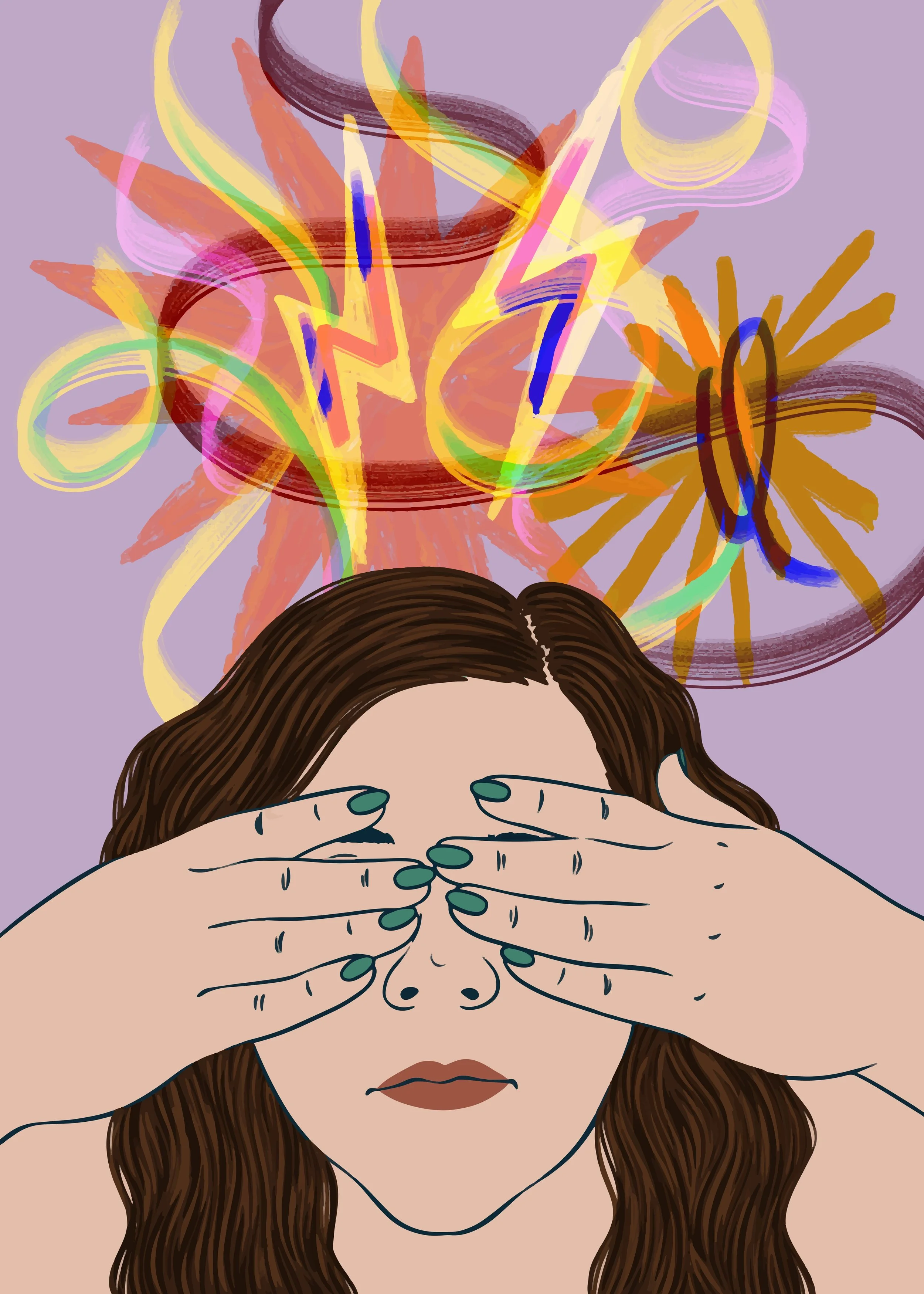
Stress and fertility are closely connected, but stress does not automatically cause infertility. This article looks at what stress may do to reproductive hormones, ovulation, IVF and male fertility, and how acupuncture can support people trying to conceive.
Stress has a funny way of creeping into our lives without necessarily announcing itself as stress. Sometimes it is obvious: a relationship breakdown, bereavement, financial worries, fertility treatment or a particularly difficult period at work. But sometimes it simply looks like normal life. You wake up tired, check your phone before you have even got out of bed, grab a coffee, rush to work, eat lunch at your desk, spend the afternoon dealing with emails and deadlines, commute home, eat late and then wonder why your brain decides that 3am is the perfect time to start thinking about tomorrow.
Do that occasionally and your body is very good at dealing with it. Do it day after day, month after month, and it becomes part of your physiological environment. When you are trying to conceive, I think this deserves more attention — not because stress automatically causes infertility, and certainly not because anybody struggling to get pregnant needs another person telling them to “just relax”. It matters because the systems controlling our stress response, reproductive hormones, sleep, digestion, metabolism and sexual function are all communicating with one another.
That is where cortisol comes into the story.

What Happens in the Body When You Are Stressed?
Your body has a remarkably efficient alarm system. When your brain decides that something needs your attention, the sympathetic branch of the autonomic nervous system kicks in first. This is the familiar “fight or flight” response: adrenaline rises, your heart beats faster and the body prepares to deal with whatever it thinks is happening.
Alongside this is another important stress pathway called the HPA axis — the hypothalamic-pituitary-adrenal axis. The hypothalamus in the brain communicates with the pituitary gland, which then signals the adrenal glands, sitting just above the kidneys, to release cortisol.
Cortisol gets a terrible press, but we absolutely need it. It helps regulate blood glucose, metabolism, inflammation, immune activity, blood pressure and our natural sleep-wake rhythm. The problem is not cortisol itself; it is what happens when the body is repeatedly being asked to respond to stress and is not getting enough opportunity to recover.
What Is Cortisol and Why Does It Matter for Fertility?
This matters for fertility because the HPA stress axis does not exist separately from our reproductive system. It communicates with the HPG axis — the hypothalamic-pituitary-gonadal axis — which helps control GnRH, FSH and LH and, further down the line, ovulation, ovarian hormone production, testosterone and sperm production. When stress becomes prolonged or severe, signalling through these systems can interact and change.
We see the clearest example in functional hypothalamic amenorrhoea, where stress, insufficient energy intake, excessive exercise or a combination of them can disrupt reproductive signalling enough for ovulation and periods to become irregular or stop.
Most women with a horrible week at work are not suddenly going to stop ovulating. But it tells us something important: the reproductive system responds to what is happening elsewhere in the body.
What Does the Research Actually Show?
One of the most useful studies in this area was published in Human Reproduction in 2014. Researchers followed couples who were trying to conceive and measured two biological markers of stress in the women: cortisol and salivary alpha-amylase.
Women whose alpha-amylase levels were in the highest third had a 29% reduction in fecundability — essentially a lower probability of conceiving in a given cycle — compared with women in the lowest third. They also had more than twice the risk of meeting the clinical definition of infertility.
Interestingly, cortisol itself was not associated with fecundability in that study. I think that is an important detail rather than an inconvenient one. It stops us turning a complicated subject into “high cortisol equals infertility”. The stress response involves cortisol, adrenaline, the sympathetic nervous system, sleep, metabolism, immune signalling and behaviour. Cortisol matters, but it is one part of a much bigger picture.

Can Stress Affect Ovulation and Periods?
The menstrual cycle begins in the brain. The hypothalamus releases GnRH, which tells the pituitary gland to release FSH and LH. Those hormones communicate with the ovaries, helping follicles develop, triggering ovulation and influencing oestrogen and progesterone production.
Because the stress and reproductive systems communicate, prolonged physiological stress can influence this hormone cascade, particularly when stress is accompanied by poor sleep, inadequate food intake or excessive exercise.
Can Stress Raise Prolactin?
Prolactin can also enter the picture. Most people associate it with breastfeeding, but persistently raised prolactin outside pregnancy and breastfeeding can interfere with GnRH, LH and FSH. In women, significant hyperprolactinaemia can contribute to irregular or absent ovulation; in men it can affect testosterone, libido and sexual function.
Stress may temporarily increase prolactin in some people, but I would never assume that persistently raised prolactin is “just stress”. Medication, thyroid dysfunction and pituitary conditions are among the other causes and it needs proper medical investigation.
Does Stress Affect Male Fertility Too?
When a couple is struggling to conceive, an extraordinary amount of the attention still lands on the woman. She changes her diet, takes the supplements, monitors ovulation, attends the appointments and often starts acupuncture, while nobody has asked her partner whether he sleeps, drinks heavily at weekends or is surviving his working day on caffeine.
Men have the same HPA stress system. Stress can interact with the hormonal pathways involved in testosterone and sperm production, although the research is mixed and I would not tell a man that being stressed is automatically “damaging his sperm”.
What I do want to know is what is running alongside that stress: poor sleep, smoking or vaping, alcohol, inconsistent food, overtraining, lack of exercise, reduced libido or simply having sex less frequently because both people are exhausted.
Sperm also takes around 100 days to develop, so male preconception health deserves attention well before the month a couple hopes to conceive. It makes very little sense to spend months optimising the woman while overlooking the health of the person providing half the genetic material needed to make an embryo.
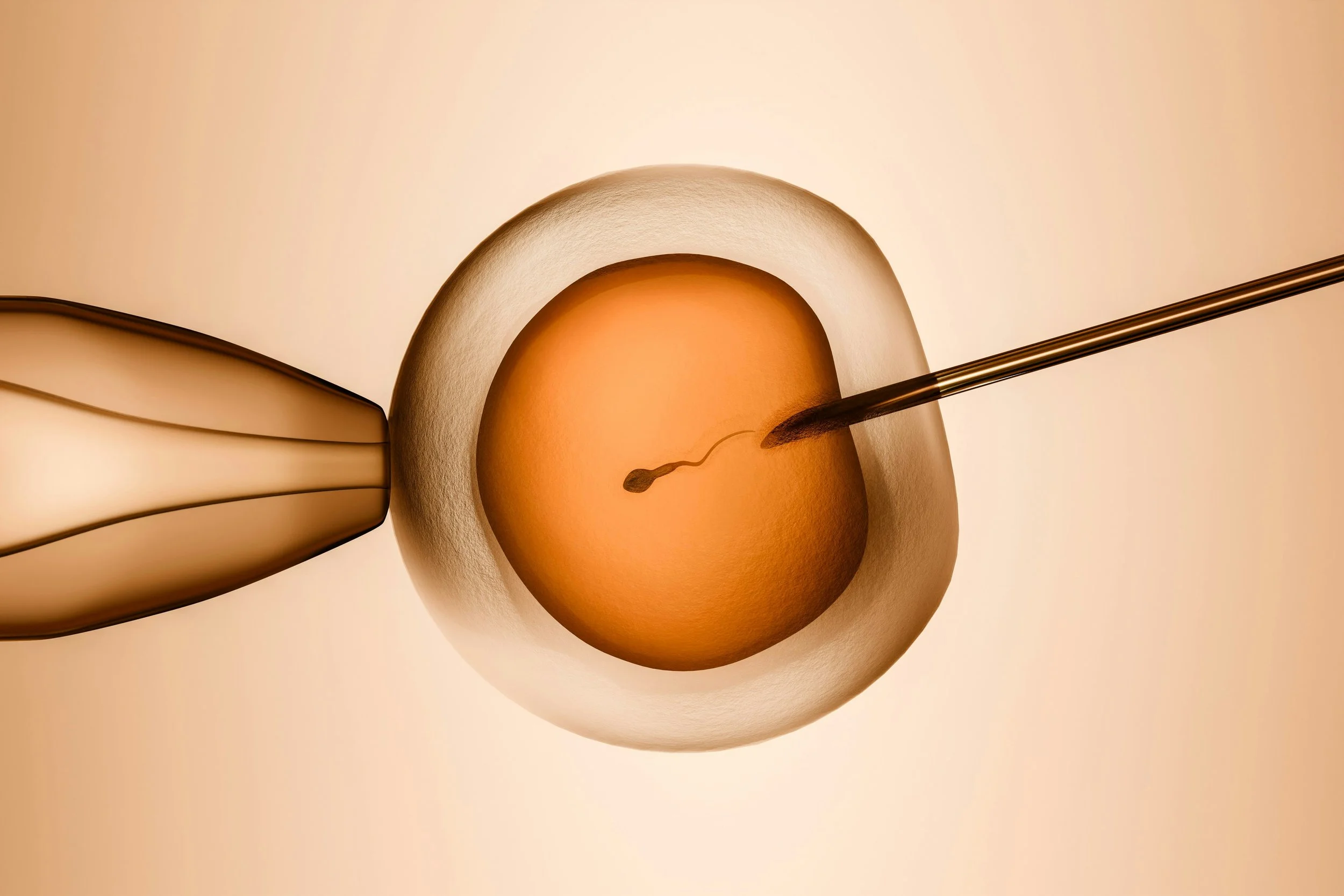
Does Stress Affect IVF Success?
IVF brings a very particular kind of stress. Your diary suddenly revolves around injections, scans, follicle measurements, medication, egg collection, phone calls about fertilisation and embryo development, and finally transfer. Many people are doing all this while still turning up to work and trying to behave as though nothing particularly enormous is going on.
The evidence on whether stress directly changes IVF success is not straightforward. A 2024 systematic review found that chronic and acute stress appeared to have the strongest negative relationship around the egg-retrieval stage, while there was no consistent significant association between acute stress at embryo transfer and pregnancy rates.
A 2025 meta-analysis of 29 prospective studies found that higher anxiety and depression were associated with less favourable IVF/ICSI outcomes, but perceived stress and infertility-related stress were not consistently associated with success.
That nuance matters. You do not need to arrive for egg collection or embryo transfer in a perfectly serene state for treatment to work. Being frightened, tearful or anxious about a hugely important medical procedure does not mean you have sabotaged your chances.
At the same time, the emotional burden of IVF is real and deserves treating in its own right. Reducing anxiety, improving sleep and giving someone ways of coping better through treatment are worthwhile outcomes whether or not we can draw a neat straight line from a stress score to a positive pregnancy test.
Coffee, cortisol, Fertility & why I’d rather you didn't
Coffee is one of the first things I ask about in clinic when somebody tells me they are stressed, exhausted, sleeping badly or trying to conceive (TTC). Caffeine is a stimulant and controlled research shows that it can stimulate cortisol secretion, although individual responses vary.
This is one area where the NHS and I part company. My preference when somebody is trying to conceive is zero coffee, particularly if they are already anxious, exhausted or sleeping badly. If completely giving it up feels impossible, keep it to one and move over to decaf - though be aware decaf still contains caffeine.
For me, this is not about punishment or making fertility even more restrictive. It is about asking whether adding another stimulant to an already overstimulated system is genuinely helping.
Sometimes the better question is not “How much coffee can I have?” but “Why am I so tired that I cannot imagine getting through the morning without it?”

Stress, Food and the 3pm Chocolate Fix
Stress also changes the way we eat. Some people lose their appetite; others want quick energy. Breakfast disappears, coffee takes its place, lunch gets pushed back by a meeting and suddenly at 3pm you are standing in front of the vending machine wondering how you got there.
Cortisol is involved in maintaining blood glucose and making energy available when the body thinks it needs to respond to something. Very useful if you genuinely need to run from danger; slightly less useful when the emergency is an email arriving while you are sitting motionless at your desk.
Fertility nutrition should not become another punishing diet. Regular meals, protein, healthy fats, vegetables, fibre, complex carbohydrates and enough overall food matter. Under-eating can itself become a physiological stressor, particularly when combined with intense exercise.
Often I am much more interested in getting somebody to eat breakfast and an actual lunch than persuading them to buy another expensive fertility superfood.
The Gut-Brain Axis and Fertility
The gut comes into this too. The brain and digestive system communicate constantly through the gut-brain axis, involving the autonomic nervous system, vagus nerve, hormones, immune pathways and gut microbiota. Anyone who has suddenly needed the loo before an important interview already knows the brain and gut talk to one another.
Stress can alter gut motility and sensitivity, contributing to constipation, diarrhoea, bloating, reflux, nausea or loss of appetite. That does not mean every fertility problem is secretly caused by the gut; it simply reminds us that fertility is not happening in isolation from the rest of the body.
Can Acupuncture Actually Help with Stress and Fertility?
This is where acupuncture becomes particularly relevant to the way I work with fertility patients.
One of the things people say to me most often after treatment is some version of, “I didn't realise how tense I was until I relaxed.” When being busy, productive and switched on has become normal, you don't necessarily recognise how much tension you are carrying.
Acupuncture gives many of my patients something surprisingly rare: time when absolutely nothing is being demanded of them. No phone, no emails, no Teams meeting, no fertility app, no ovulation test and nobody asking when they are going to have a baby. They lie down, I take over for a while, and their body gets an opportunity to stop.
But acupuncture is not simply valuable because you are lying quietly in a treatment room.
Modern research is increasingly interested in how acupuncture interacts with the autonomic nervous system and the HPA axis. A 2024 review in the Journal of Integrative Medicine brought together research on several possible mechanisms, including effects involving neurotransmitters, neuropeptides and brain regions involved in stress regulation. The authors describe acupuncture as having a potential regulatory effect on HPA-axis dysfunction, although much of the mechanistic science is still developing.
That distinction is important. I would never promise that putting a particular needle in will lower your cortisol by a predictable amount. But neither is acupuncture simply “relaxing because you had a lie down”. There is a serious and growing body of neuroendocrine research looking at what acupuncture does to stress regulation.
We also have fertility-specific evidence.
A randomised controlled trial in women undergoing IVF found significantly lower anxiety after four weeks of acupuncture compared with control treatment. In a much larger trial involving 848 women undergoing IVF, acupuncture was associated with a modest but statistically significant reduction in anxiety following embryo transfer.
We spend a huge amount of time asking whether acupuncture can change an IVF statistic and sometimes forget about the actual person who has to go through IVF.
Helping someone sleep better, feel less overwhelmed, reduce anxiety around treatment and have a regular point in the week when their nervous system gets a break has value. And if you are facing repeated scans, injections, procedures and uncertainty, that value can be considerable.
There is another benefit too: continuity.
I see my fertility patients weekly. That means there is time to notice that sleep has deteriorated, that work has become unmanageable, that a cycle has changed, that IVF medication is affecting digestion, that caffeine has crept back up or that the person who keeps telling everyone “I'm fine” is actually hanging on by her fingernails.
I don't need to give somebody a lecture on Chinese medicine terminology for acupuncture to be individualised. I am not treating a cortisol number; I am treating the person sitting in front of me. Somebody who is wired, restless and waking throughout the night may need a very different treatment from somebody who is depleted, tearful and utterly exhausted.
Acupuncture doesn't replace fertility investigations, medication or IVF. It sits alongside them. For me, good fertility care is not either Western medicine or acupuncture. There is absolutely room for both.

And Don’t Forget Massage
Massage also deserves a place in this conversation.
Stress has a very physical side. Shoulders creep upwards, jaws clench, the lower back can tighten, headaches appear and sometimes you don't realise quite how much muscular tension you are carrying until somebody puts their hands on you.
Therapeutic or remedial massage gives you time to stop while also working directly with that physical tension. And sometimes, frankly, what somebody needs is not another conversation about their fertility. They need an hour in which nobody asks them anything and simply looks after them.
You will often read that massage dramatically reduces cortisol. The research is actually more interesting than that. A quantitative review found that changes in cortisol following massage were generally small and not reliably different from control treatments. However, the benefits of massage for areas such as anxiety, pain and depression were considerably stronger.
So I don't think we need to oversell massage by pretending its whole value comes down to a cortisol number.
Massage can be useful before conception as part of reducing physical tension and creating genuine downtime, and appropriately adapted pregnancy massage can continue to be a wonderful supportive treatment once you are pregnant.
What Else Can You Actually Do?
The trouble with being told to “reduce your stress” is that it immediately sounds like another job to add to the list. You do not need to overhaul your entire life this afternoon. Look instead for places where your nervous system might get a little more recovery.
Protect your sleep where you can. You may not be able to manufacture eight perfect hours every night, but look at what is stealing sleep unnecessarily: work emails late at night, scrolling in bed, caffeine, or trying to squeeze one more task into an already full evening.
Move your body, but don't automatically assume harder is better. Walking, yoga and other forms of movement that leave you feeling better rather than depleted can be useful when you are already under pressure. Reviews of yoga trials have found improvements in perceived stress and evidence of changes in sympathetic nervous-system and HPA-axis regulation, although the studies vary considerably.
Try breathing slowly for a few minutes. Breathwork doesn't need to involve a retreat, complicated counting or twenty minutes of silence. You can use it before bed, on the train, sitting outside the fertility clinic or while waiting for an IVF phone call. Box breath can be particularly useful in the moment and is simple to do. Systematic research supports breathing practices as a simple tool for reducing stress and anxiety, although there isn't one magical breathing technique that everyone has to use.
Book recovery into the diary. This is one reason acupuncture and massage can be so useful. When an hour is actually booked, you have physically removed yourself from your laptop, washing, fertility admin and everybody else's demands. You don't have to remember to relax; you have created somewhere for it to happen.
And then there are boundaries. Could you stop answering emails at 9pm? Take an actual lunch break? Ask your partner to take over some of the fertility admin? Have one evening when you don't discuss IVF? Say no to something you genuinely don't have the capacity for?
You cannot always breathe your way out of an impossible workload. Stress management shouldn't become a way of teaching people to tolerate circumstances that are genuinely exhausting them.

The Takeaway
You do not need a stress-free life to become pregnant, and you have not caused fertility problems because you worried too much. Please take that off your shoulders.
What the research does tell us is that stress physiology and reproductive physiology communicate. We have evidence linking biological stress markers with longer time to pregnancy, we understand plausible hormonal pathways through which prolonged stress can influence reproduction, and we know that trying to conceive and undergoing fertility treatment can themselves create a considerable psychological and physical load.
The useful response isn't to panic about cortisol. It is to look at what can realistically be supported.
Eat regularly. Protect your sleep where you can. Reduce the caffeine — in my clinic, ideally lose the coffee. Move your body in ways that restore rather than punish it. Use simple breathing exercises. Have acupuncture. Have a massage. Ask for help and put some boundaries around work and around fertility itself.
Most importantly, remember that fertility isn't only about ovaries, sperm, blood tests and scans.
There are two whole people going through this, and both of them deserve looking after.
If you are trying to conceive and would like support with stress, fertility or IVF, acupuncture can offer a calm, structured space alongside your medical care. If you would like to talk about whether treatment at my Camberwell clinic could help, please get in touch.
sources & further reading
Lynch CD, Sundaram R, Maisog JM, Sweeney AM, Buck Louis GM. (2014). Preconception stress increases the risk of infertility: results from a couple-based prospective cohort study — the LIFE study. Human Reproduction, 29(5), 1067–1075. doi: 10.1093/humrep/deu032
Whirledge S, Cidlowski JA. (2013). A role for glucocorticoids in stress-impaired reproduction: beyond the hypothalamus and pituitary. Endocrinology, 154(12), 4450–4468. doi: 10.1210/en.2013-1652
Zanettoullis AT, Mastorakos G, Vakas P, et al. (2024). Effect of Stress on Each of the Stages of the IVF Procedure: A Systematic Review. International Journal of Molecular Sciences, 25(2), 726. doi: 10.3390/ijms25020726
Lu Q, Cheng Y, Zhou Z, et al. (2025). Effects of emotions on IVF/ICSI outcomes in infertile women: a systematic review and meta-analysis. Journal of Assisted Reproduction and Genetics, 42(4), 1083–1099. doi: 10.1007/s10815-025-03388-7
Zheng JY, Zhu J, Wang Y, Tian ZZ. (2024). Effects of acupuncture on hypothalamic-pituitary-adrenal axis: Current status and future perspectives. Journal of Integrative Medicine, 22(4), 446–459. doi: 10.1016/j.joim.2024.06.004
Isoyama D, Cordts EB, de Souza van Niewegen AMB, Carvalho WAP, Matsumura ST, Barbosa CP. (2012). Effect of acupuncture on symptoms of anxiety in women undergoing in vitro fertilisation: a prospective randomised controlled study. Acupuncture in Medicine, 30(2). doi: 10.1136/acupmed-2011-010064
Smith CA, de Lacey S, Chapman M, Ratcliffe J, Norman RJ, Johnson NP, Fahey P. (2019). The effects of acupuncture on the secondary outcomes of anxiety and quality of life for women undergoing IVF: a randomized controlled trial. Acta Obstetricia et Gynecologica Scandinavica, 98(4), 460–469. doi: 10.1111/aogs.13528
Moyer CA, Seefeldt L, Mann ES, Jackley LM. (2011). Does massage therapy reduce cortisol? A comprehensive quantitative review. Journal of Bodywork and Movement Therapies, 15(1), 3–14. doi: 10.1016/j.jbmt.2010.06.001
Zaccaro A, Piarulli A, Laurino M, et al. (2018). How Breath-Control Can Change Your Life: A Systematic Review on Psycho-Physiological Correlates of Slow Breathing. Frontiers in Human Neuroscience, 12, 353. doi: 10.3389/fnhum.2018.00353
Pascoe MC, Thompson DR, Ski CF. (2017). Yoga, mindfulness-based stress reduction and stress-related physiological measures: a meta-analysis. Psychoneuroendocrinology, 86, 152–168.