

Acupuncture for Respiratory Conditions, COPD
& Sinusitis in London
Acupuncture to support respiratory health
Breathing well is not something most people think about until it becomes difficult. Sinus pressure, recurring congestion, post-viral irritation, breathlessness, chest tightness or a long-standing condition such as COPD can affect far more than the lungs and sinuses. Sleep becomes lighter, energy drops, exercise feels harder and the body can start to feel as though it is constantly working harder than it should.
Acupuncture offers a focused way of supporting respiratory health by working with the nervous system, circulation, inflammation and the body’s ability to regulate itself. At my Camberwell clinic, I work with people across South London who want a practical, supportive approach alongside appropriate medical care.
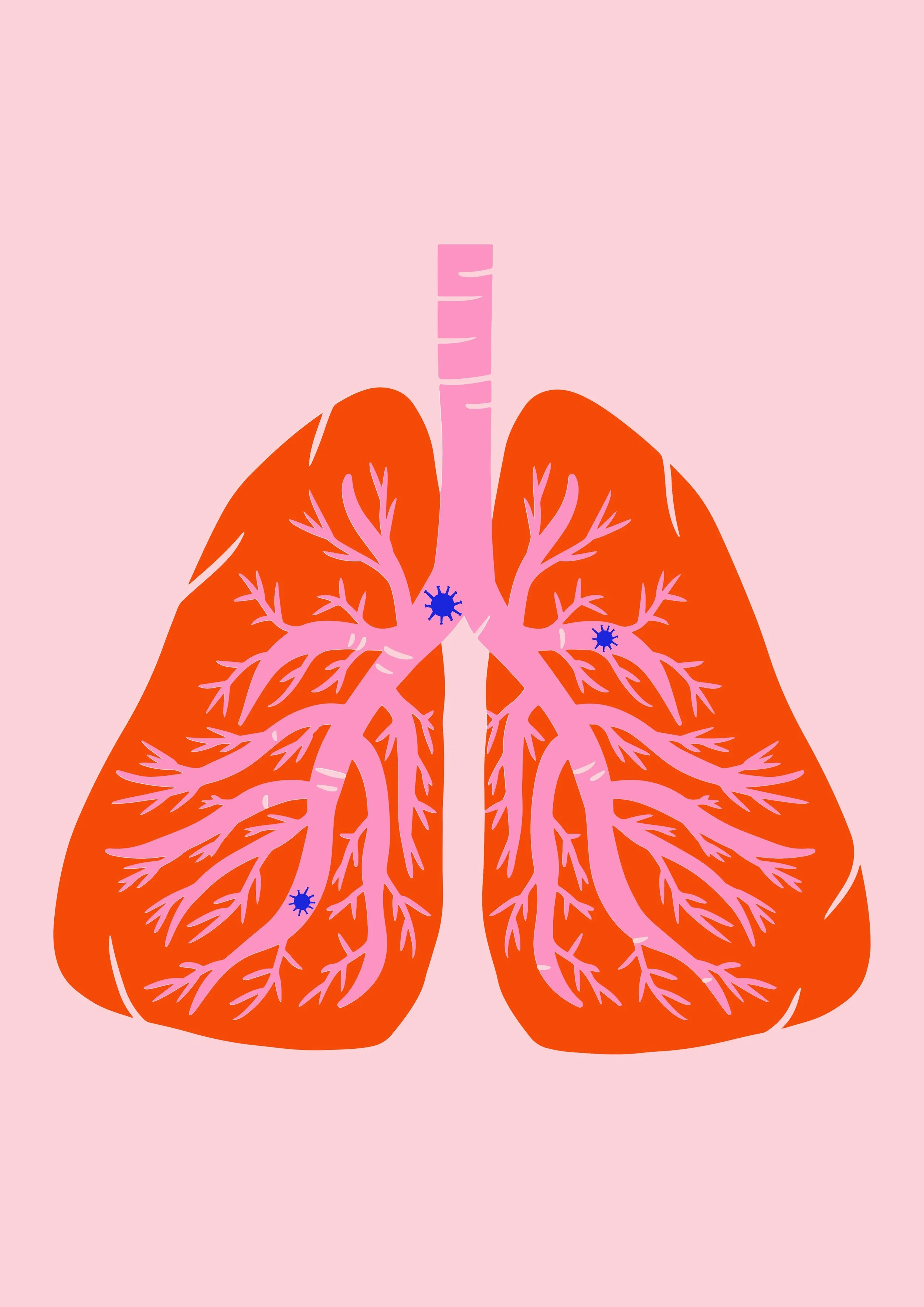
How Acupuncture Can Help Respiratory Conditions
Acupuncture treatment is tailored to how your symptoms show up. Some people come in with blocked sinuses, facial pressure, headaches and post-nasal drip. Others are dealing with a lingering cough, shallow breathing, fatigue after illness, or breathlessness linked to a diagnosed respiratory condition such as COPD.
From a Western medical perspective, acupuncture is understood to influence pain pathways, inflammation, local circulation, muscle tension and autonomic nervous system balance. This matters because breathing is not just about the lungs; the diaphragm, ribcage, neck, shoulders, stress response and inflammatory load all play a part. In Traditional Chinese Medicine, respiratory symptoms are often viewed through the relationship between the Lung system, defensive Qi, fluids, phlegm, heat, cold and overall constitutional strength. In plain English, treatment looks at both the immediate symptom — congestion, breathlessness, cough or tightness — and the wider pattern that may be making the body more reactive or slow to recover.
Acupuncture for Sinusitis and Chronic Congestion
Sinusitis can be miserable: pressure around the eyes and forehead, thick mucus, blocked nasal passages, a reduced sense of smell, headaches and a heavy, foggy feeling. When it becomes recurrent or chronic, people often feel as if they are never fully clear.
Acupuncture can be used to help reduce sinus pressure, encourage drainage, calm irritated tissues and support the body’s inflammatory response. Treatment may include points around the face, head, neck, hands and legs, depending on the pattern involved. Where appropriate, I may also discuss simple supportive measures such as steam, hydration, food triggers, breathing habits and when to seek medical review.
Research into acupuncture for chronic rhinosinusitis has reported improvements in symptoms and quality of life, making it a useful option for people looking for a non-drug supportive approach or an adjunct to conventional care.

Acupuncture for COPD and Breathlessness Support
COPD needs proper medical diagnosis and ongoing medical management. Acupuncture does not replace inhalers, pulmonary rehabilitation, medication reviews or respiratory monitoring. What it can offer is an additional layer of support for people who want help with breathlessness, fatigue, muscular tension, anxiety around breathing, sleep disruption and general quality of life.
Clinical research has explored acupuncture as an adjunctive therapy for COPD, with studies reporting improvements in breathlessness, exercise tolerance and quality-of-life measures in some patients.
In practice, the work is often about helping the body use less effort. When breathing feels restricted, the neck, shoulders, chest and diaphragm can become overworked. Acupuncture can help settle that defensive tension, calm the nervous system and support a more efficient breathing pattern. For someone with COPD, even small improvements in ease, confidence and recovery can make a meaningful difference.
A Practical, Integrated Approach
Respiratory conditions usually respond best when care is joined up. If you have COPD, asthma, recurring chest infections, severe allergies or persistent sinus problems, acupuncture should sit alongside appropriate medical assessment and treatment. That might include inhalers, nasal sprays, antibiotics when clearly needed, pulmonary rehabilitation, breathing exercises, physiotherapy, nutrition, sleep support or investigations through your GP or consultant.
The value of acupuncture is that it gives you regular, structured support while your body is trying to regulate and recover. Treatment can be particularly useful when symptoms are not dramatic enough for urgent care but are still affecting your day-to-day life.
When to Seek Medical Help
Please seek urgent medical help if you have severe breathlessness, chest pain, blue lips, confusion, coughing up blood, a high fever, or symptoms that are rapidly worsening. The NHS advises that COPD can worsen over time and may require additional treatment during flare-ups, especially where breathlessness becomes more severe.
For sinus symptoms, medical review is sensible if you have severe facial pain, swelling around the eye, a high temperature, symptoms lasting more than 10 days without improvement, or repeated infections.
Book Acupuncture for Respiratory Support in Camberwell
If your breathing, sinuses or post-viral recovery feel stuck, acupuncture can be a constructive next step. Treatment is calm, specific and tailored to your presentation rather than a generic protocol.
My clinic is based in Camberwell within easy reach of East Dulwich, Peckham, Herne Hill, Brixton, Kennington, Elephant & Castle and Waterloo.
Book an acupuncture appointment and get a clearer sense of what your body needs next.
Frequently Asked Questions
Can acupuncture help sinusitis?
Yes. Acupuncture can be helpful for sinus pressure, congestion, facial tension, headaches and chronic sinus irritation. Treatment is aimed at improving drainage, calming inflammation and supporting the body’s ability to regulate mucus and immune response.
Can acupuncture help COPD?
Acupuncture can be used as supportive care for COPD, particularly where breathlessness, fatigue, chest tightness, poor sleep or anxiety around breathing are affecting quality of life. It should be used alongside, not instead of, medical respiratory care.
How many sessions will I need?
This depends on the condition. Acute sinus congestion may respond more quickly, while chronic sinusitis, COPD or long-standing respiratory weakness usually benefit from a short course of regular treatment before spacing sessions out.
Is acupuncture safe if I use inhalers?
Yes, acupuncture can usually be used alongside inhalers and prescribed medication. You should continue your medication as directed by your doctor and bring any relevant medical information to your appointment.
Should I see my GP first?
If you have severe breathlessness, chest pain, recurring chest infections, unexplained wheezing, coughing up blood, fever or symptoms that are getting worse, you should seek medical assessment. Acupuncture is a strong supportive option, but serious respiratory symptoms need proper diagnosis.
Further Reading
Acupuncture and COPD breathlessness — Randomised controlled trial
A placebo-controlled trial published in Archives of Internal Medicine / JAMA Internal Medicine found improvements in dyspnoea and quality of life in COPD patients receiving acupuncture alongside standard care.Acupuncture for COPD — systematic review
A systematic review found that acupuncture may be useful as an adjunctive therapy for reducing dyspnoea in COPD.Acupuncture for chronic rhinosinusitis
A 2022 review reported that acupuncture, used alone or alongside other care, was associated with symptom improvement and better quality of life in chronic rhinosinusitis.NHS COPD information
NHS guidance explains COPD symptoms, treatment and when additional medical support may be needed.
Have a Question?
If you have a question, email hello@deborahwarden.com one of our expert team will be happy to answer. If you are able to, please leave a phone number as it can be easier to chat about your questions.