

Acupuncture for pelvic girdle pain in
pregnancy in London
What is pelvic girdle pain?
According to the Royal College of Obstetricians and Gynaecologists, pelvic girdle pain is common in pregnancy affecting 1 in 5 pregnant women and impacting mobility and quality of life. It can show up as pain around the pubic bone, sacroiliac joints, buttocks, groin, hips or lower back. Pain when walking, climbing stairs and turning over in bed are some of the most common symptoms.
Why does pelvic girdle pain happen in pregnancy?
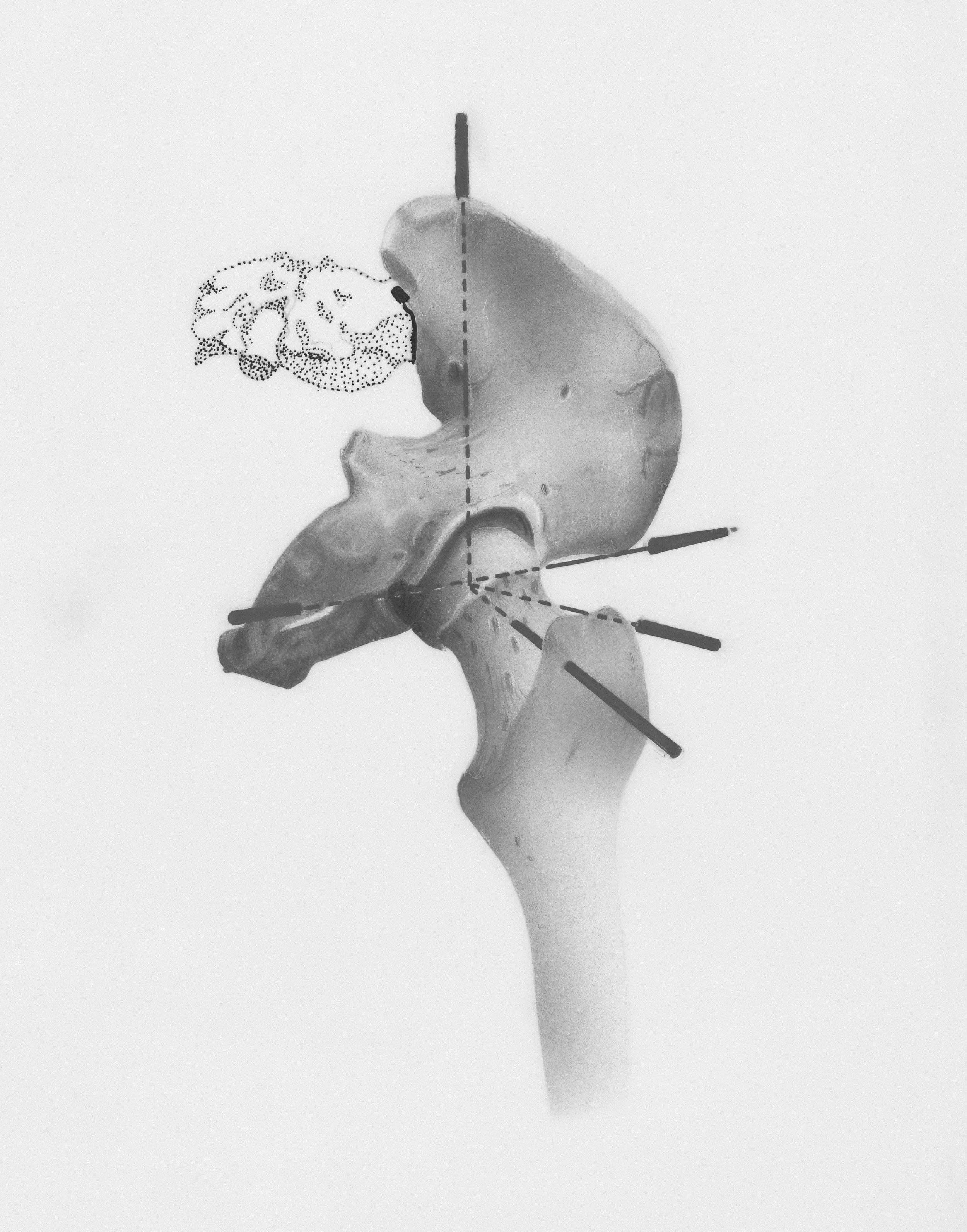
The three joints of the pelvis normally work together and move slightly. In pregnancy, the way these joints move can become less balanced and that can lead to irritation, strain and pain through the pelvic joints and surrounding muscles. That is why pelvic girdle pain in pregnancy is often strongly linked to movement, especially walking, stairs, dressing, getting in and out of the car and rolling in bed.
How does Chinese medicine view pelvic girdle pain?
From a traditional Chinese medicine perspective, pelvic girdle pain in pregnancy is usually understood as pain caused by obstruction in the channels passing through the pelvis. In practice, this is often seen as a combination of stagnation, tension and reduced circulation through the affected area. Treatment is aimed at reducing pain, easing tension and improving the movement of Qi and Blood, while using point selection appropriate to pregnancy.
Can acupuncture help pelvic girdle pain in pregnancy?
A well-known BMJ randomised controlled trial involving 386 pregnant women found that acupuncture and stabilising exercises were both effective complements to standard treatment for pelvic girdle pain during pregnancy. The paper’s conclusion was that both were efficient complements to standard treatment and that acupuncture was superior to stabilising exercises.
Debra Betts, a well-known midwife and acupuncturist from New Zealand, refers to this research in her pregnancy acupuncture material and highlights that acupuncture was particularly effective for sacroiliac and symphysis pubis pain patterns within the trial. She also notes that pregnancy-related pelvic pain can be treated effectively using an approach that remains consistent with pregnancy acupuncture practice.

“Deborah is a warm-hearted and very gifted acupuncturist and massage therapist. I’ve discovered her right at the very end of my pregnancy and only wished I’d found her sooner!
She’s supported me so beautifully with birth preparation, labour induction and the bonus was really relieving my pelvic girdle pain after only one session.
I can’t recommend her enough if you are struggling or need support and want to try acupuncture or massage.
- Zara MacGregor - London
Why do some pregnant women choose acupuncture for pelvic girdle pain?
Many pregnant women want a natural treatment for pelvic girdle pain and a non-drug option when pregnancy pelvic pain starts affecting movement, sleep and routine. Debra Betts writes that acupuncture in pregnancy offers women an alternative to taking medication, which is one of the reasons it is often considered for pubic bone pain, pregnancy back pain and pelvic girdle pain.
When should you come in for treatment?
Come in when the pain is starting to affect routine, not only when it becomes severe.
That includes:
pain when walking
pain turning in bed
pain on stairs
pain getting dressed
pain around the pubic bone
sacroiliac pain
groin or buttock pain linked to pregnancy
Early diagnosis and treatment can help relieve pelvic girdle pain.
Frequently asked questions:
How common is pelvic girdle pain in pregnancy?
According to the Royal College of Obstetricians and Gynaecologists, it affects 1 in 5 pregnant women.
What does pelvic girdle pain feel like?
It is commonly felt around the pubic bone, groin, hips, buttocks, sacroiliac joints or lower back, and is often worse with walking, climbing stairs, turning in bed, getting dressed or standing on one leg.
Can acupuncture help pelvic girdle pain in pregnancy?
The BMJ trial found that acupuncture was an effective complement to standard treatment for pregnancy-related pelvic girdle pain and that it performed better than stabilising exercises in that study.
Why do pregnant women choose acupuncture?
Often because they want a natural, non-drug approach to pain relief. Debra Betts specifically describes acupuncture in pregnancy as an alternative to taking medication.
When should I book?
When pelvic girdle pain is starting to interfere with walking, stairs, turning in bed, dressing or daily routine. Early treatment can help relieve the pain and may stop it becoming more established.
Have a Question?
If you have a question, email hello@deborahwarden.com one of our expert team will be happy to answer. If you are able to, please leave a phone number as it can be easier to chat about your questions.